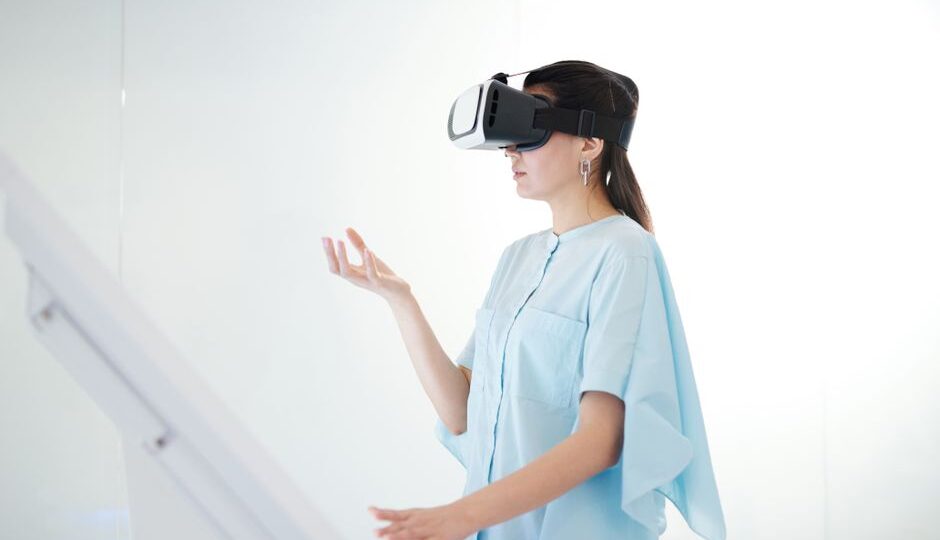
Introduction to the VR Classroom
The educational landscape is undergoing a massive shift thanks to the integration of virtual reality (VR). Imagine students exploring ancient civilizations through immersive simulations or conducting chemistry experiments in a safe, virtual lab. By 2027, VR is set to redefine how knowledge is imparted and received, breaking the boundaries of traditional education.
The Evolution of VR in Schools
Virtual reality isn’t exactly new, but its application in education is becoming more sophisticated and widespread. Early VR applications were limited by technology and cost. Fast forward to 2026, and advancements have made it accessible for schools worldwide. According to a report by Market Research Future, the global VR market in education is projected to hit $20 billion by 2027, driven by increased demand for engaging and interactive learning tools.
Bridging the Gap: VR for Diverse Learning Styles
Every student learns differently, and VR has the unique ability to cater to a range of learning styles. Visual learners benefit from interactive 3D models; auditory learners from immersive soundscapes; kinesthetic learners from hands-on virtual activities. Teachers can now tailor lessons to meet each student’s needs, fostering an inclusive and supportive educational environment.
Practical Applications of VR in Education
- Virtual Field Trips: Students can visit the pyramids of Egypt or the Amazon rainforest without leaving their classroom. Companies like Google Expeditions are leading the charge, offering hundreds of virtual tours that bring the world to students’ fingertips.
- STEM Education: VR can transform complex scientific concepts into tangible experiences. For instance, apps like Labster allow students to conduct experiments in a virtual lab, eliminating the risks and costs associated with traditional labs.
- History and Literature: Immerse students in historical events or literary worlds. Imagine reading “Romeo and Juliet” and then stepping into a virtual Verona to experience the play firsthand.
Challenges and Considerations
Despite its promise, integrating VR into classrooms is not without challenges. Cost remains a significant barrier, with high-quality VR equipment still pricey for many institutions. There’s also a need for adequate teacher training to ensure effective VR utilization. Additionally, there’s the question of content creation—designing educational experiences that are both engaging and pedagogically sound.
The Future: What to Expect by 2027
As we advance towards 2027, expect VR to become an integral part of mainstream education. Innovations in AI and machine learning are set to enhance VR experiences, making them more personalized and adaptive. Schools will likely collaborate with tech companies to develop custom solutions, ensuring that VR experiences are seamlessly integrated into curricula.
Takeaway
Virtual reality holds immense potential to transform education by offering immersive, engaging, and effective learning experiences. As we approach 2027, the challenge will be to make this technology accessible to all students, ensuring that it enhances education without replacing the critical human elements of teaching.