The Growing Demand for Sustainable Farming
As the global population marches towards 8.5 billion, the need for sustainable food production has never been more pressing. Traditional agricultural methods are under immense pressure to produce more with less, all while minimizing their environmental footprint. Enter robotic agriculture, or robo-agriculture, a technological advancement poised to transform farming as we know it.
AI-Powered Farm Management
AI-driven farm management systems are the silent heroes of modern agriculture. By analyzing weather patterns, soil conditions, and crop health, these systems provide actionable insights that help farmers optimize every aspect of their operations. For instance, in California’s Central Valley, AI technologies have been instrumental in reducing water usage by up to 30%, a critical saving in the drought-prone region.
Companies like CropX and Granular are leading the charge, offering platforms that consolidate vast amounts of data into user-friendly dashboards. This empowers farmers to make informed decisions, reducing waste and boosting yield. With AI’s predictive capabilities, farmers can anticipate problems before they arise, ensuring a smooth and efficient production cycle.
The Rise of Autonomous Machinery
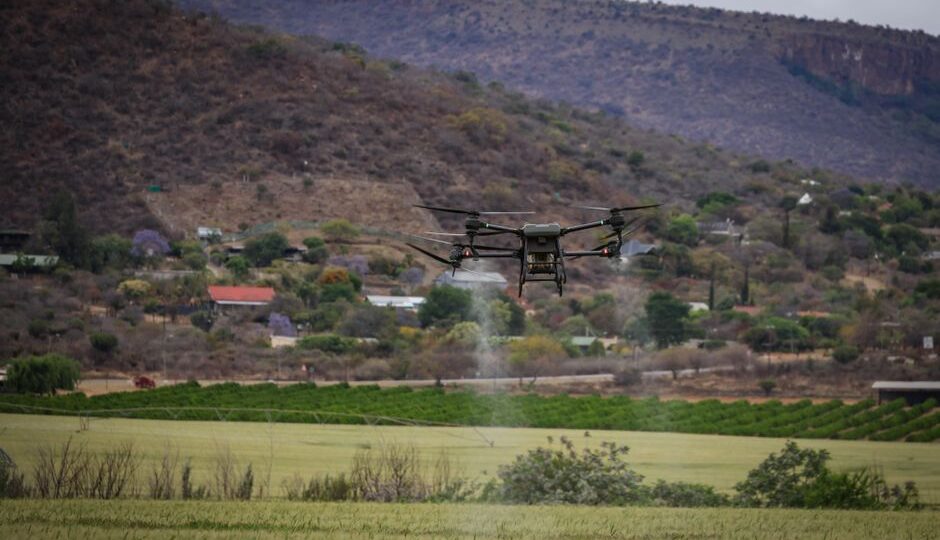
While drones scanning fields and tractors operating autonomously might sound like scenes from a sci-fi movie, they are very much a reality in 2026. These machines, equipped with advanced sensors and AI, can perform tasks ranging from planting to harvesting with minimal human intervention. In fact, John Deere’s line of autonomous tractors has seen a 40% reduction in labor costs, making farming more cost-effective.
Moreover, these machines are built to be energy-efficient, often relying on solar power and other renewable energy sources. This not only reduces the carbon footprint associated with farming but also aligns with global sustainability goals.
Precision Agriculture: The New Norm
Precision agriculture, powered by AI, is now the gold standard in farming. By using GPS and satellite imagery, farmers can manage their fields down to the smallest detail. For example, in Brazil, precision farming has increased soybean yields by 15% while using 20% less fertilizer. This targeted approach ensures that resources are used where they’re needed most, maximizing efficiency and minimizing waste.
Furthermore, precision agriculture helps in combating pests and diseases. AI systems can detect early signs of infestations, allowing for timely interventions. This reduces the need for blanket pesticide applications, making farming more eco-friendly and sustainable.
Challenges and the Road Ahead
Despite its promise, robo-agriculture isn’t without challenges. High initial costs and the need for technical expertise can be barriers for small-scale farmers. However, initiatives and subsidies from governments and NGOs aim to bridge this gap, making advanced technologies accessible to all.
Moreover, as with any technology, data privacy remains a concern. Farmers need assurance that their data is secure and won’t be misused. The development of robust data protection policies is crucial as the industry evolves.
The Practical Takeaway
As we stride further into 2026, it’s clear that AI and robotics will continue to play a pivotal role in reshaping agriculture. For farmers, embracing these technologies means more than just increasing yield; it’s about ensuring a sustainable future for generations to come. By leveraging AI’s capabilities, the agricultural sector can meet the growing global demand while preserving the environment.
For those in the industry, the key lies in education and adaptation. Staying updated on the latest technologies and understanding how to integrate them into existing operations will be vital. The era of robo-agriculture is here, and it’s cultivating a brighter, more sustainable future.