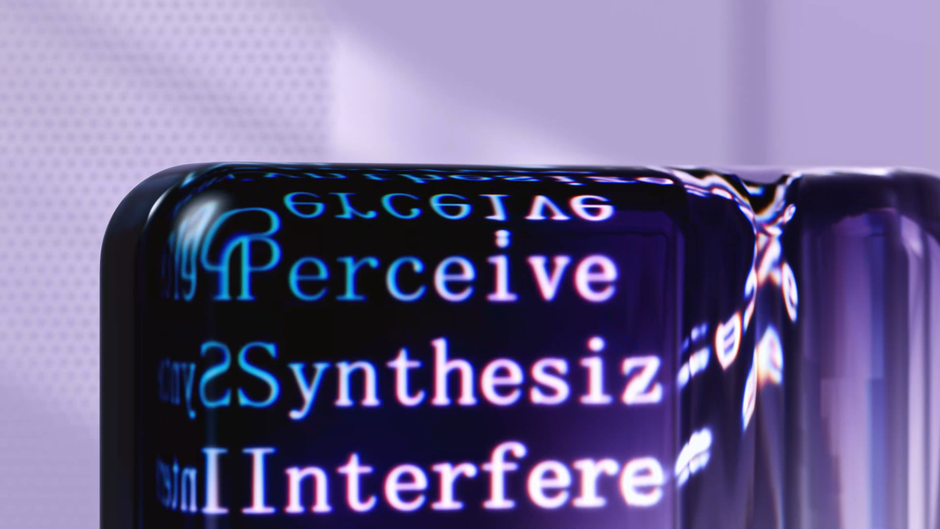
The Intersection of Technology and Art
Art, an age-old form of expression, has seen a transformative shift over the last few years. It’s 2026, and artificial intelligence is redefining the boundaries of creativity in ways that were once the stuff of science fiction. From AI-generated paintings to interactive installations, technology is becoming an indispensable tool for artists worldwide. With cities like San Francisco and Tokyo leading the charge, the digital art scene is thriving, offering new experiences to art enthusiasts and creators alike.
AI-Generated Art: More Than Just Algorithms
AI-generated art is no longer a novelty; it’s a burgeoning field that challenges our perceptions of creativity. Using complex algorithms, AI can create pieces that evoke emotion, provoke thought, and even tell stories. These creations, often produced using Generative Adversarial Networks (GANs), have found homes in galleries from New York to Berlin. But it’s not just about machines creating art—it’s about the collaboration between human creativity and artificial intelligence. Artists like Sofia Crespo and Mario Klingemann are pushing the boundaries, using AI to explore themes of nature, identity, and the digital future.
Interactive Art Installations: Engaging the Audience
Gone are the days when art was a passive experience. In 2026, technology allows for immersive and interactive installations that engage audiences like never before. Imagine stepping into a room where the walls respond to your movements or a sculpture that changes shape based on your emotional state. This is the reality in places like London’s Tate Modern, where AI-driven installations invite audiences to become part of the art itself. Such experiences not only captivate but also challenge our understanding of human and machine interaction.
Digital Marketplaces: The New Galleries
Online platforms have revolutionized how art is bought, sold, and consumed. Digital marketplaces are not just for trading cryptocurrency or NFTs anymore; they are vibrant communities where art thrives. Platforms like Artland and SuperRare provide artists with sustainable income streams while offering collectors a diverse array of works. The transparency and security of blockchain technology have made these platforms incredibly popular, ensuring provenance and authenticity in every transaction.
AI Tools for Artists: Leveling the Playing Field
AI is not just creating art; it’s also empowering artists with tools to enhance their craft. Applications like DeepArt and RunwayML provide artists with the ability to experiment with styles and techniques that would be challenging to achieve manually. These tools are democratizing art, enabling emerging artists to develop unique styles and reach broader audiences without the traditional barriers of entry. In cities like Lagos and Mumbai, burgeoning art scenes are blossoming as artists leverage these tools to gain international recognition.
The Ethical Considerations of AI in Art
With the rise of AI in the art world comes a host of ethical considerations. Who owns the rights to AI-generated art? How do we value creativity when machines are part of the process? These questions are at the forefront of discussions among artists, technologists, and legal experts. Organizations like the AI Art Coalition are working to establish guidelines and best practices to navigate these new waters, ensuring that both human and machine contributions are fairly recognized and rewarded.
Takeaway: Embrace the Future of Creativity
As AI continues to evolve, it presents both challenges and opportunities for the art world. By embracing technology, artists can push the boundaries of creativity, engage audiences in new ways, and explore uncharted territories. Whether you’re an artist, a collector, or an enthusiast, the fusion of art and technology offers endless possibilities that are only just beginning to be explored. As we move forward, the key will be to balance innovation with ethical considerations, ensuring a vibrant and inclusive art ecosystem for years to come.