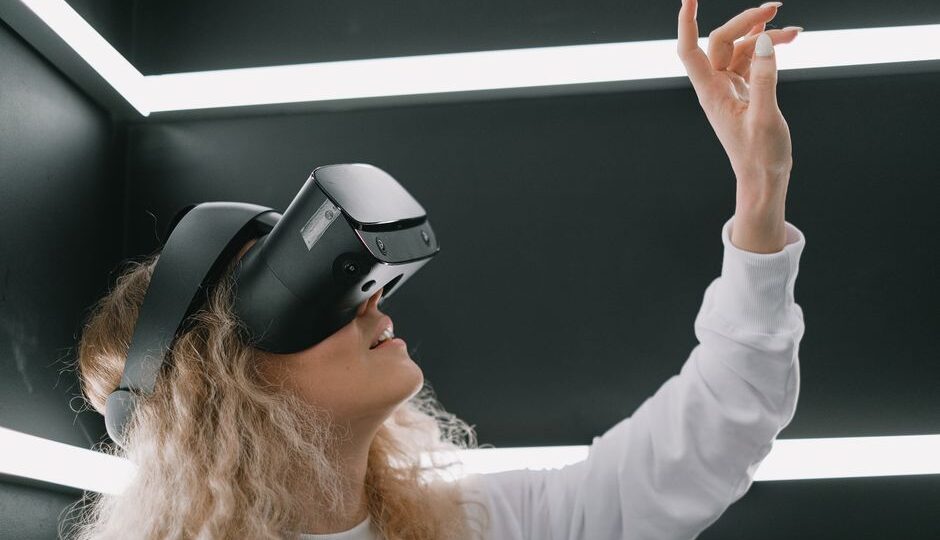
The Birth of Extended Reality Travel Experiences
As we step deeper into the future, traveling has transcended the confines of physical journeys and ventured into the extraordinary realm of Extended Reality (XR). Combining the wonders of Augmented Reality (AR), Virtual Reality (VR), and Mixed Reality (MR), XR has redefined how we perceive, plan, and experience travel. Whether you’re exploring the bustling streets of Tokyo or the serene landscapes of the Swiss Alps, XR offers an immersive experience that traditional travel methods can hardly rival.
In 2026, XR has ushered in a new era where travelers can virtually step into destinations, walk through historical sites, or even attend live cultural festivals from the comfort of their living room. This transformation is not just a technological marvel; it’s a shift in how we engage with the world.
Virtual Travel Agencies: Redefining Planning
Gone are the days when planning a vacation meant endless research and cumbersome bookings. Virtual travel agencies have emerged as revolutionary players in the travel industry, offering curated XR travel packages that cater to personalized tastes and preferences.
Companies like HorizonXR and WanderWorld offer platforms where users can explore their desired destinations in XR. Imagine planning a honeymoon in Bali and being able to stroll through the lush, virtual rice terraces before booking. These agencies provide a full sensory prelude to actual travel, ensuring that every experience aligns perfectly with expectations.
- Interactive Tours: Travelers can embark on interactive tours guided by AI-powered assistants, providing real-time information, tips, and recommendations.
- Try Before You Fly: Potential travelers can now try out experiences, from sampling local cuisine to participating in a virtual yoga class by the Ganges, encouraging informed travel decisions.
Extended Reality Enhancing the On-Site Experience
While XR travel experiences are immersive, the technology is also enhancing traditional travel by offering XR-enhanced tours on location. Tourists can enjoy augmented reality guides at museums or archaeological sites, overlaying historical facts and stories over their immediate surroundings.
For example, visiting the Colosseum in Rome now includes an XR component where visitors can witness gladiator battles come to life, complete with the soundscapes of cheering crowds, making history not just visible but tangible.
Cultural Events and Global Participation
XR has obliterated geographical barriers, allowing global citizens to participate in cultural events, festivals, and celebrations that they might never physically attend. This technology has amplified the reach of local traditions, bringing them to an international audience and boosting cultural exchange.
Consider the Rio Carnival, one of the most vibrant festivals in the world. With XR, people worldwide can experience the pulsating energy of the parade, interacting with performers and even customizing their avatar’s costume to join the virtual festivities. This level of interaction enriches cultural appreciation and understanding.
Sustainability: A Conscious Traveler’s Choice
In a world increasingly aware of its environmental footprint, XR travel provides a sustainable alternative. By reducing the need for physical travel, it minimizes carbon emissions significantly. Travelers can indulge in their wanderlust without the guilt of contributing to the planet’s degradation.
Destinations like the Galápagos Islands and Antarctica, where tourism can have severe ecological impacts, now encourage XR visits to protect their fragile ecosystems. This shift not only preserves these natural wonders but also educates tourists on conservation efforts.
Practical Takeaway
As XR technology continues to evolve, it offers an ever-expanding horizon for travel enthusiasts, making the world more accessible and diverse than ever before. Whether you choose to explore virtually or augment your physical travel experiences, XR is a tool that enriches our connection to global cultures and natural wonders. For the conscious traveler of 2026, Extended Reality isn’t just an option; it’s a gateway to a more sustainable, immersive, and informed way of exploring our planet.