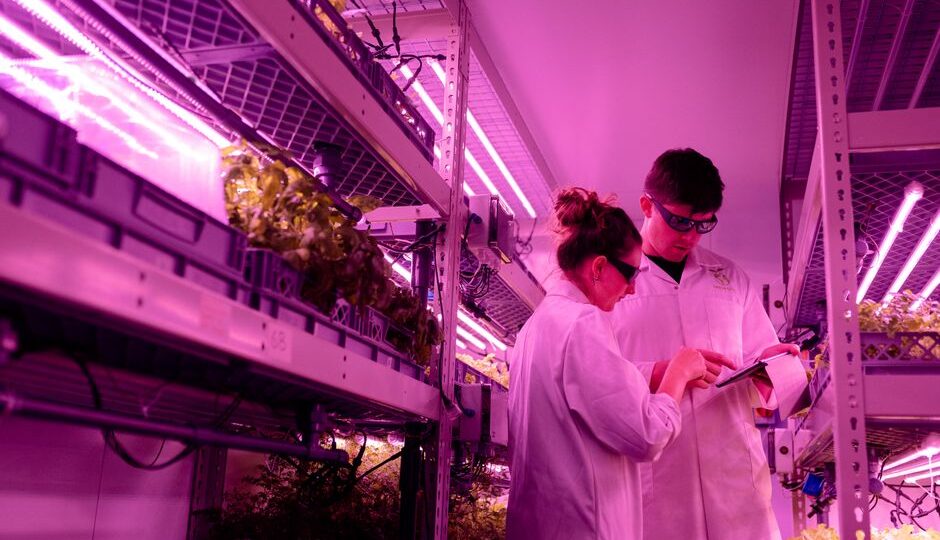
The Skyward Shift: Urban Farming Takes a Leap
In 2026, cities are not just about skyscrapers or bustling streets anymore. They are about lush, green high-rises that grow food right where it’s consumed. Vertical farms, once a concept seen in sci-fi movies, have now become an integral part of urban planning. Utilizing artificial intelligence, these vertical farms are addressing food security, reducing carbon footprints, and transforming urban aesthetics.
Take New York City, for instance. The Big Apple now boasts more than 200 vertical farms, with AI at their core, optimizing growth cycles and maximizing yields. These farms use 95% less water than traditional agriculture, presenting a sustainable solution for the planet’s growing food demands.
AI at the Helm: Precision and Productivity
Artificial intelligence powers these vertical farms in ways unimaginable a decade ago. Intelligent systems monitor every aspect of plant growth, from nutrient distribution to temperature control, ensuring optimal conditions 24/7. This precise control minimizes waste and maximizes output.
In Chicago, the renowned Green Loop Farm has revolutionized the city’s fresh produce supply. Leveraging machine learning algorithms, they predict the most efficient crop rotations based on real-time data. The result? A 30% increase in yield over traditional vertical farming methods.
The Environmental Payoff: Less is More
AI-driven vertical farms are not just about producing more food; they’re about doing so sustainably. These urban green spaces reduce the need for transportation of produce, cutting down on emissions. Additionally, they recycle water and use renewable energy sources, significantly lowering their environmental impact.
Consider Tokyo’s Shibuya district, where vertical farms now tower alongside traditional buildings. These farms, powered by solar panels and rainwater harvesting systems, contribute to a greener, cleaner cityscape, and are a testament to how urban areas can combat climate change effectively.
Community Impact: Food Security and Beyond
Beyond the environmental benefits, vertical farms have substantial social impacts. They enhance local food security, ensuring fresh produce is always available. These farms often collaborate with community organizations to educate urban dwellers about sustainable agriculture.
In Los Angeles, the Echo Park Vertical Farm has become a hub for community activities, offering workshops on urban gardening and sustainability practices. This engagement fosters a sense of community while empowering citizens to participate in sustainable living initiatives.
The Future Landscape: Challenges and Opportunities
While the benefits are plenty, the evolution of vertical farms is not without its challenges. The initial costs of setting up these farms can be substantial, and integrating them into existing urban structures requires careful planning and investment.
However, with the rise of AI and increasing interest from municipalities, these hurdles are being addressed. The potential for job creation in tech development, farm management, and community engagement is vast, offering economic benefits that extend beyond agriculture.
As we move further into 2026 and beyond, vertical farms promise not just a way to feed our cities but a blueprint for a sustainable urban future. Cities like London, Shanghai, and Singapore are already following suit, showcasing how technology and nature can harmoniously coexist.
Practical Takeaway: As AI continues to drive innovation in vertical farming, urban planners, policymakers, and entrepreneurs have a unique opportunity to reimagine cityscapes. By investing in these sustainable technologies, cities can enhance food security, reduce environmental impact, and foster community engagement, paving the way for an eco-friendly future.