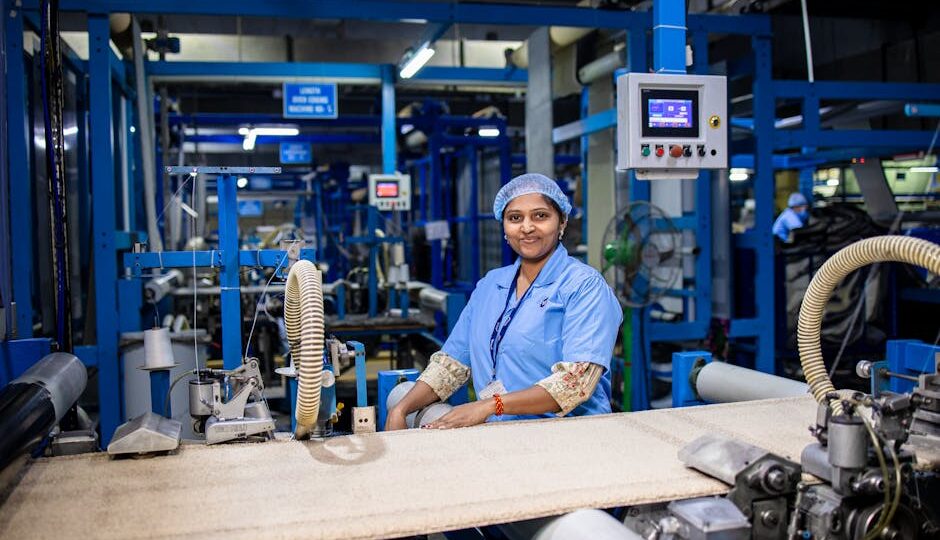
The Rise of Automation in the Workforce
By 2026, automation has become more than just a buzzword; it’s a transformative force reshaping our everyday professional lives. Automation technologies, ranging from AI-driven software to advanced robotics, are continuously evolving, leading to significant shifts in various industries. According to a recent report by McKinsey & Company, nearly 30% of jobs globally are at risk of being automated by 2030. However, this doesn’t necessarily spell doom for the workforce. Instead, it heralds a new era of career evolution, where adaptability and continuous learning become the cornerstones of career resilience.
Industries Most Impacted by Automation
Industries like manufacturing, logistics, and customer service have been at the forefront of automation adoption. For instance, in the automotive industry, factories in Detroit are now using AI-powered robots that can assemble cars with precision that surpasses human capability, reducing error rates by up to 70%. Meanwhile, in warehousing, companies like Amazon have embraced robotic systems that streamline inventory management and order fulfillment processes, drastically reducing the time it takes to get products from shelf to doorstep.
However, it’s not just the traditional blue-collar jobs that are feeling the effects. White-collar professions are also experiencing a shift. In finance, algorithms are handling complex trading decisions and data analysis, which were previously the domain of seasoned analysts. Even in healthcare, AI is assisting in diagnosing diseases with greater accuracy than ever before.
The New Skill Sets Required for the Automated Age
With machines handling routine tasks, the demand for human skills is shifting towards areas that machines struggle to replicate—creativity, emotional intelligence, and strategic thinking. Skills such as problem-solving, critical thinking, and the ability to manage interpersonal relationships are becoming increasingly valuable.
- Creative Problem Solving: As AI takes over data-driven tasks, humans will need to focus on creative solutions to complex problems. For example, architects now use AI-generated data to inform innovative building designs, but the creative vision remains inherently human.
- Emotional Intelligence: In fields like human resources or counseling, understanding and managing human emotions is crucial. Automation may handle administrative tasks, but the human touch is irreplaceable.
- Continuous Learning: With technology evolving rapidly, the half-life of skills is shortening. Professionals must embrace lifelong learning to stay relevant.
Automation and the Gig Economy
The gig economy, characterized by short-term, flexible jobs, has been a significant beneficiary of automation. Platforms like Uber and Fiverr have automated much of their operational processes, enabling them to efficiently connect freelancers with opportunities on a global scale. This has led to a more dynamic job market, where individuals can diversify their income streams and pursue multiple careers simultaneously.
Moreover, automation tools have empowered freelancers to enhance their productivity. From AI-assisted project management tools to automated invoicing systems, the gig economy is leveraging technology to create a more seamless experience for both workers and clients.
The Ethical Implications of Automation
As automation becomes more prevalent, it raises crucial ethical questions. What happens to those whose jobs are displaced by machines? According to a study by the Pew Research Center, approximately 25% of Americans are concerned about job security due to automation. Companies and governments are called upon to provide retraining programs and support systems to ensure that the workforce can transition smoothly into new roles.
Furthermore, there are considerations around privacy and data security. As automation systems collect vast amounts of data, ensuring that this information is used ethically and securely is paramount. Regulations such as the GDPR in Europe set a precedent for protecting individual privacy in an automated age.
Looking Ahead: The Human-Automation Partnership
The future of work is not about humans versus machines, but rather humans working alongside machines. This partnership can lead to increased productivity and innovation. Imagine a future where AI provides real-time feedback to teachers in classrooms, allowing them to tailor their teaching methods to each student’s needs, enhancing the educational experience.
Companies are beginning to recognize the value of this symbiotic relationship. Those that invest in human-machine collaboration are seeing improvements in efficiency and employee satisfaction. As we move forward, the key will be for individuals and organizations to embrace these changes and seek opportunities to harness the potential of automation positively.
Practical Takeaway: As automation continues to shape the job landscape, staying adaptable and continuously upskilling will be crucial. Embracing new technologies, while honing uniquely human skills, can turn potential disruptions into opportunities for growth and innovation.