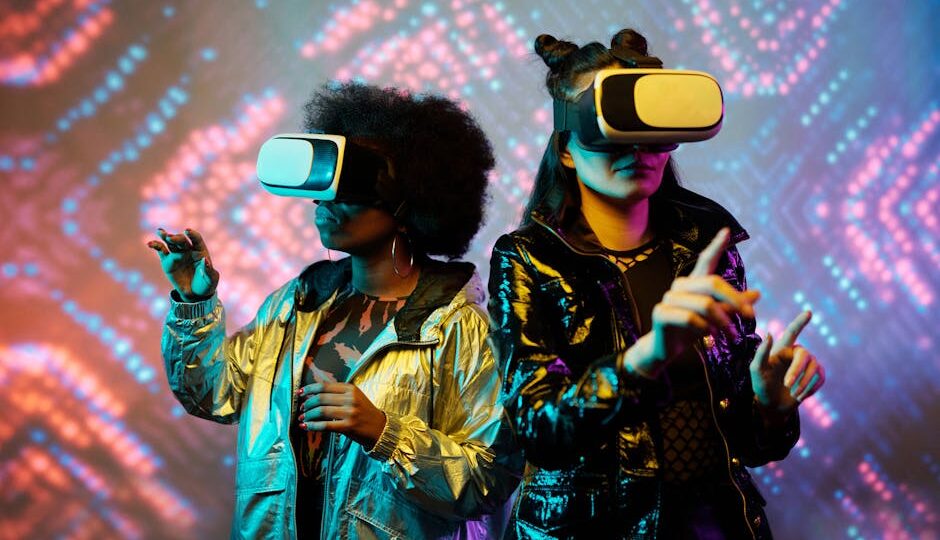
The Metaverse Economy is Thriving
Back in 2022, the metaverse was a buzzword thrown around in tech circles, but fast forward to 2026, and it has become a bustling economy. According to recent reports, the metaverse economy is projected to generate over $500 billion annually by the end of this year. Virtual marketplaces have expanded exponentially, with everything from digital real estate to virtual fashion becoming lucrative ventures. Companies like Decentraland and The Sandbox have seen their virtual land parcels increase in value by over 300% since 2024, making them hotspots for investors.
Education in the Metaverse
Gone are the days when online learning meant Zoom calls and PDFs. In 2026, educational institutions have fully embraced the metaverse, offering immersive learning experiences that rival traditional classroom settings. Platforms like ENGAGE and Virbela have pioneered virtual campuses where students attend lectures, collaborate on projects, and even conduct science experiments in a fully virtual environment. This shift has expanded access to education globally, with students from remote areas participating in courses from prestigious universities.
Virtual Workspaces: The New Normal
Remote work has taken on a whole new meaning in 2026. Virtual workspaces have become the preferred mode of business operations for many companies. Tools like Meta’s Horizon Workrooms provide employees with a virtual office environment, complete with customizable avatars, meeting rooms, and collaborative spaces. This transition has not only enhanced productivity but also fostered a more inclusive work culture, allowing companies to hire talent from anywhere in the world without geographical constraints.
High Fashion Meets High Tech
If you thought virtual fashion was a fad, think again. The metaverse has revolutionized the fashion industry, with brands like Gucci and Balenciaga leading the charge in virtual couture. Digital fashion shows are now a standard, and consumers can buy exclusive digital outfits that their avatars can wear in virtual spaces. The NFT market has also exploded, with unique fashion items selling for thousands of dollars. This trend has opened up new avenues for designers to showcase their creativity and for consumers to express their style in the digital realm.
Health and Wellness in the Metaverse
As the metaverse expands, so does its potential to impact our physical and mental health positively. VR fitness apps have gained popularity, providing users with immersive workout experiences that are as effective as they are entertaining. Apps like Supernatural and FitXR offer a variety of exercise routines, from boxing to dancing, all within a virtual environment. Mental health resources have also found a home in the metaverse, with therapists using VR to conduct sessions that are more engaging and less intimidating for clients.
The Rise of Metaverse Tourism
With travel restrictions still a reality in some parts of the world, the metaverse has stepped in to offer an alternative. Virtual tourism has become a booming industry, with digital replicas of famous landmarks and cities attracting millions of visitors. Platforms like Wander provide users with the opportunity to explore destinations like Paris or Tokyo from the comfort of their homes. This form of tourism not only reduces the carbon footprint associated with travel but also makes global exploration accessible to everyone.
The metaverse in 2026 is not just a technological phenomenon; it is a reimagination of how we live, work, and interact. With a thriving economy, innovative educational platforms, and new avenues for work and leisure, the possibilities are endless. As you navigate this digital frontier, one thing is certain: the metaverse is here to stay, and it’s reshaping our world in ways we never imagined.