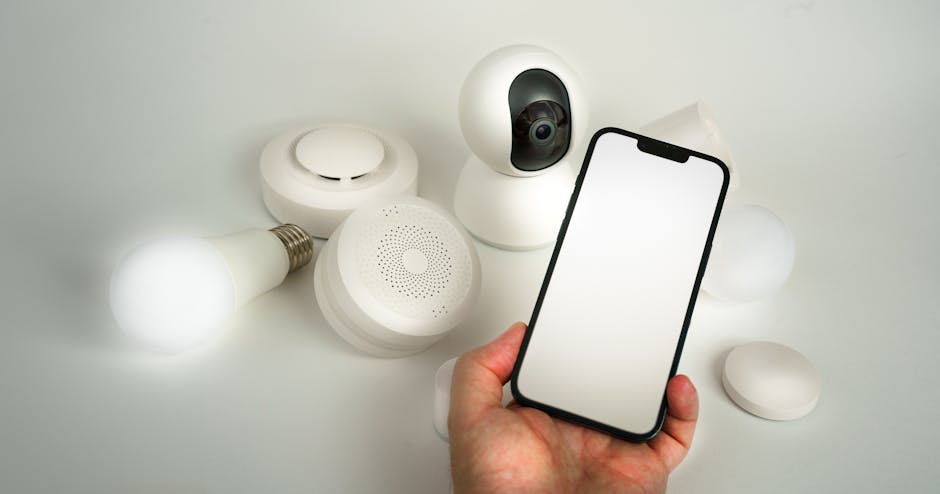
How to Protect Your Privacy in the Age of IoT
The Internet of Things (IoT) is ubiquitous in 2026, seamlessly integrating into nearly every aspect of our lives. From smart refrigerators that curate our grocery lists to wearable devices monitoring health metrics, IoT has transformed the way we live. However, this interconnectedness comes at a cost—our privacy. As these devices collect, share, and store massive amounts of personal data, the risk of privacy breaches has never been higher.
The Expanding IoT Ecosystem
The leap from internet-enabled devices to an expansive IoT ecosystem has been rapid. According to the International Data Corporation (IDC), there are now over 75 billion connected devices worldwide. In cities like San Francisco and Tokyo, smart traffic systems, homes, and even public restrooms have integrated IoT devices to optimize functionality and convenience. While this growth boosts efficiency, it also creates a labyrinth of data that is vulnerable to exploitation.
Understanding the Privacy Risks
As IoT devices proliferate, understanding the privacy risks becomes crucial. The data collected by these devices can reveal intimate details about our daily lives. For instance, a smart thermostat can infer when you’re at home or away, while a fitness tracker can reveal health conditions and routines. Cybercriminals are increasingly targeting IoT devices due to their often lax security measures, leading to identity theft, unauthorized surveillance, and data breaches.
Fortifying Your IoT Device Security
Enhancing the security of your IoT devices is a proactive step towards safeguarding your privacy. Here are a few strategies to consider:
- Change Default Passwords: Many IoT devices come with default passwords that are easy to guess. Changing them to strong, unique passwords is a simple yet effective measure.
- Enable Two-Factor Authentication (2FA): If available, 2FA provides an additional security layer by requiring a second form of verification, such as a text message or authentication app.
- Regular Software Updates: Keeping your devices updated ensures they have the latest security patches to defend against emerging threats. Manufacturers like Samsung and Apple regularly release updates to address vulnerabilities.
Data Encryption and Secure Networks
Encryption is a powerful tool in protecting data privacy. By encrypting data, you ensure that even if it’s intercepted, it cannot be easily read by unauthorized parties. Many IoT devices now come with built-in encryption, but it’s essential to verify this feature before purchase.
Additionally, securing your home network with a strong, unique password and using a Virtual Private Network (VPN) can help shield your data from prying eyes. Public Wi-Fi, often unsecured, is a hotspot for cybercriminals, so it’s wise to avoid connecting IoT devices to these networks if possible.
The Role of Legislation and Regulation
Governments worldwide are grappling with the challenge of regulating the IoT space. In 2025, the European Union expanded its General Data Protection Regulation (GDPR) to specifically include IoT devices, mandating stricter controls on data collection and processing. Meanwhile, in the United States, the Federal Trade Commission (FTC) has issued guidelines for manufacturers to enhance IoT security features.
While these regulations are steps in the right direction, they are still evolving. Consumers must remain vigilant and proactive in managing their own IoT privacy.
Practicing Mindful Connectivity
Not every device needs to be connected. Practicing mindful connectivity involves being selective about which devices you connect to the internet. Consider if the convenience offered by a connected device outweighs the potential privacy risks. For instance, a traditional door lock may be more secure than its smart counterpart, which could be hacked.
Moreover, regularly auditing your network to disconnect unnecessary devices can reduce your vulnerability. It’s about striking a balance between the benefits of technology and the preservation of privacy.
Practical Takeaway: Protecting your privacy in the IoT era requires a multifaceted approach that includes strengthening device security, encrypting data, securing networks, and making informed choices about connectivity. By taking these steps, you can enjoy the conveniences of IoT without compromising your personal information.