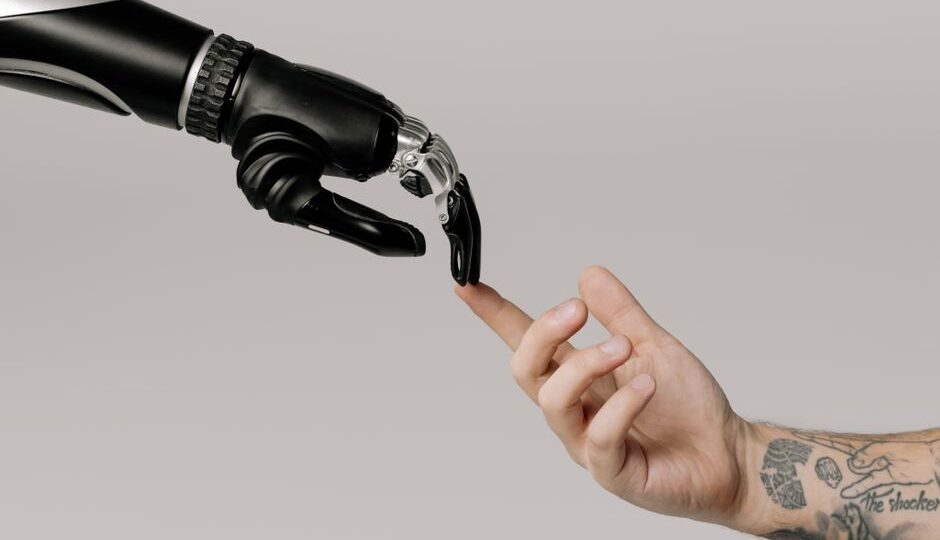
Introduction to Biohacking
In 2026, the term ‘biohacking’ has transcended beyond its niche origins to become a mainstream movement. Biohacking refers to the practice of leveraging technology and scientific knowledge to enhance the human body’s capabilities – think of it as DIY biology on steroids. As the interest in personal optimization and longevity intensifies, let’s explore how this trend is empowering individuals to push the boundaries of human potential.
The Tools of the Trade
The arsenal of a modern biohacker is impressive, ranging from wearable technology to sophisticated biomaterials. Wearables like the NeuroPulse 360 headband have revolutionized cognitive enhancement by optimizing brainwave patterns to improve focus and creativity. Meanwhile, smart implants such as the GlucoTrack Pro, a revolutionary glucose monitoring device, are providing diabetics with seamless, continuous data streams directly to their smartphones.
Moreover, CRISPR kits are now accessible to hobbyists, allowing them to experiment with genetic modification safely, albeit under strict regulations. The democratization of these tools has opened up a new world of possibilities for personal enhancement.
Biohacking Communities: The New Frontier of Collaboration
As the biohacking movement has grown, so too have the communities that support it. In cities like San Francisco and Berlin, biohacker spaces such as BioCurious and OpenCell have become pivotal hubs for experimentation and collaboration. These spaces allow individuals to engage in workshops, share knowledge, and work on joint projects, fostering a culture of innovation and cooperation.
Biohackers are not just isolated enthusiasts; they are part of a vibrant community that values open-source science and transparency. This communal approach has accelerated the pace of discovery and innovation within the field.
The Ethics and Challenges of Biohacking
With great power comes great responsibility. As biohacking continues to evolve, it raises significant ethical and regulatory challenges. The Bioethics Research Institute has been at the forefront, proposing guidelines to ensure that biohacking practices remain safe and ethical. Concerns about the potential for misuse, unintended consequences, and the need for informed consent are at the heart of ongoing debates.
The balance between self-experimentation and public safety is delicate. Regulatory bodies and biohackers are working together to create frameworks that encourage innovation while protecting individuals and communities.
Looking Ahead: The Future of Human Enhancement
The future of biohacking is incredibly promising. With advances in nanotechnology, personalized medicine, and AI-driven diagnostic tools, the potential for human enhancement is vast. Companies like Human 2.0 are leading the charge, developing technologies that integrate seamlessly with our biology to enhance everything from physical strength to cognitive function.
The possibility of extending human life, eradicating diseases, or even enhancing our natural senses is no longer confined to science fiction. As we stand on the brink of what some call the ‘post-human’ era, biohacking is poised to play a crucial role in shaping the future of humanity.
Practical Takeaway: How to Engage with Biohacking Safely
If you’re intrigued by the potential of biohacking, it’s essential to approach it thoughtfully. Start by educating yourself through reputable sources and consider joining local biohacker communities to learn from experienced practitioners. Always prioritize safety, and consult with healthcare professionals before undertaking any significant modifications or experiments.
Engaging responsibly with biohacking can offer you unique insights into your body’s capabilities and empower you to explore personal enhancements safely.