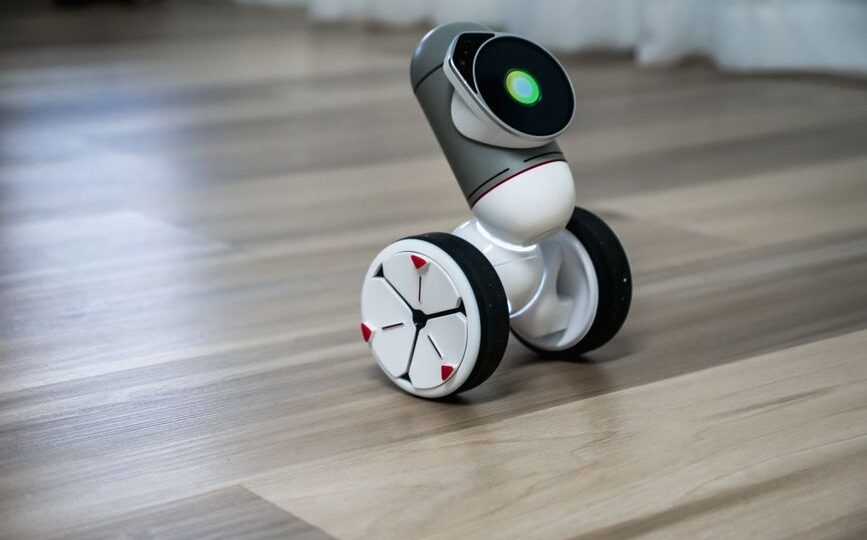
The Rise of AI Companions in Everyday Life
In the year 2026, the landscape of social interaction is undergoing a subtle yet profound transformation. Enter AI companions—digital entities designed to engage, learn, and evolve alongside their human counterparts. These companions aren’t just about performing tasks or answering questions; they’re reshaping the way we form bonds and communicate. With advancements in machine learning and natural language processing, AI companions are now more intuitive, emotionally responsive, and nuanced than ever before.
Take, for example, ‘Elliot,’ an AI developed by a team in Tokyo. This AI isn’t just a virtual assistant; it’s a confidant, capable of analyzing your moods over time and offering personalized recommendations to improve your well-being. The creators of Elliot emphasize that the goal is to complement human relationships, not replace them.
The Impact on Socialization and Loneliness
A staggering 62% of adults worldwide reported feelings of loneliness at least once a week in 2025, according to a global survey by the Mental Health Institute. AI companions offer a novel solution to this pervasive issue. By providing consistent social interaction, they help mitigate feelings of isolation and create a sense of presence and companionship.
Let’s consider the case of ‘Amelia,’ an AI companion created for the elderly in Barcelona. Amelia doesn’t just remind users to take medication or assist with daily tasks; she engages in meaningful conversations, shares virtual walks, and even plays games. Reports from users have shown a 40% decrease in their feelings of loneliness, illustrating the profound impact such technology can have on emotional well-being.
AI Companions in the Workforce
Beyond personal use, AI companions are making waves in the professional sphere. In Silicon Valley, tech companies have integrated AI companions into their teams to enhance productivity and employee satisfaction. These AI entities function as dynamic team members, facilitating brainstorming sessions, managing schedules, and even mediating team conflicts.
One notable example is ‘Qubit,’ an AI developed by a startup in Palo Alto. Qubit’s ability to comprehend complex project dynamics and offer insightful solutions has reportedly increased project completion rates by 35%. Moreover, employees have noted a significant reduction in workplace stress, attributing it to Qubit’s empathetic and adaptive interaction style.
Ethical Considerations and Privacy Concerns
As AI companions become more integrated into our lives, they bring forth ethical dilemmas and privacy challenges. The idea of a digital entity that knows you intimately is both fascinating and unsettling to many. Concerns about data security and the potential misuse of personal information are at the forefront of these discussions.
To address these issues, tech companies are prioritizing transparency and user control. For instance, Xcorp, based in Dublin, has implemented a decentralized data storage system for their AI, ‘Nova,’ ensuring that users have full control over their personal data. This move has been well-received, setting a standard for privacy in the industry.
The Future of Human-AI Relationships
As we move forward, the role of AI companions is likely to expand, not just in functionality but in the depth of human-like interaction they can offer. Imagine an AI capable of participating in cultural events, attending family gatherings, or even providing companionship on a global scale for those in remote or underserved areas.
Innovations are already on the horizon. Research teams in South Korea are developing AI companions that can simulate real-time emotional support during crises, potentially transforming mental health care delivery. Meanwhile, in New Zealand, AI companions are being tested in educational settings to provide personalized learning experiences for students.
While AI companions may never replace the intricate tapestry of human relationships, their ability to augment and enrich our social lives is undeniable. As the technology continues to evolve, it will be fascinating to see how these digital entities shape our world in 2026 and beyond.
Practical Takeaway
AI companions are gradually becoming an integral part of our personal and professional lives. They offer companionship, enhance productivity, and provide emotional support, all while raising important questions about privacy and ethics. As the technology continues to develop, staying informed and involved in discussions about the role of AI in society will ensure these innovations are harnessed for the greater good, enhancing rather than complicating human connections.