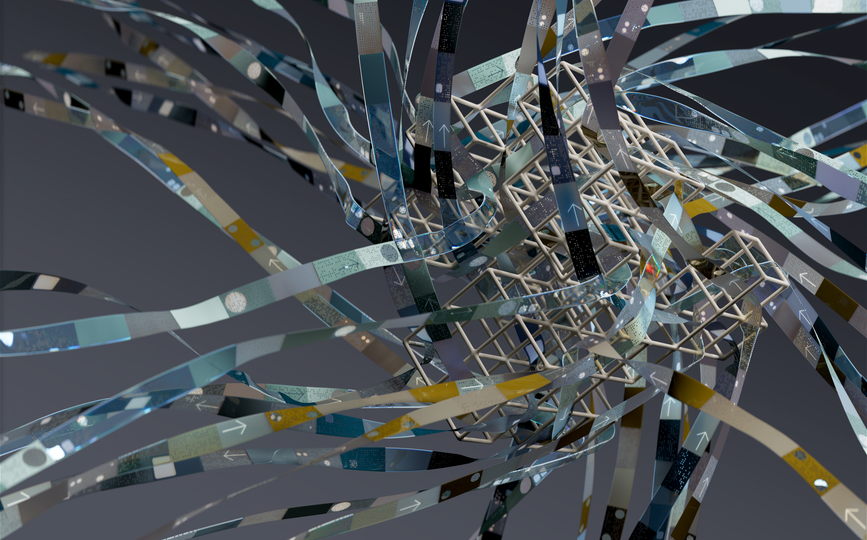
The AI Renaissance: A New Era for Artists
The year 2026 marks a revolutionary period in the realm of digital art, with AI tools empowering creators in ways never imagined before. Artists, both traditional and digital, are finding themselves at the intersection of technology and creativity, where artificial intelligence offers a palette of endless possibilities. From AI-generated art to intelligent design assistants, the creative process is seeing a significant transformation.
AI as a Collaborative Partner
For many artists, AI has become more than just a tool; it’s a collaborator. Platforms like RunwayML and Artbreeder have shown the world how AI can co-create by suggesting new forms and styles while artists maintain the ultimate creative control. These platforms use machine learning models to analyze and generate images, allowing artists to iteratively refine their ideas. The result? A seamless blend of human intuition and machine precision that pushes the boundaries of artistic expression.
Breaking Barriers: Accessibility and Inclusivity
AI tools have democratized art creation, making it accessible to a broader audience. For instance, Google’s MuseNet uses AI to compose music, offering non-musicians the ability to produce professional-sounding tracks. Additionally, tools like Adobe’s Sensei AI are helping people with disabilities to create art by using voice commands, making digital creativity more inclusive than ever.
The Rise of AI-Generated Art Markets
AI-generated art is no longer just a novelty; it’s a lucrative market. In 2025, the global AI art market was valued at over $800 million, and it’s expected to double by 2027. Platforms such as ArtBlocks and Rarible have facilitated the sale of AI-generated works, with artists like Refik Anadol and Robbie Barrat leading the charge. These platforms utilize blockchain technology to authenticate and sell digital art, ensuring creators are fairly compensated.
Ethical Considerations in the AI Art Movement
With the rise of AI in art creation, ethical questions have emerged. Who owns the rights to AI-generated artwork? How should credit be distributed between the artist and the machine? Organizations and art collectives are actively debating these topics, striving to create fair guidelines that balance innovation with ethical responsibility.
The Future of Creativity: A New Frontier
As we look towards the future, AI’s role in creativity is set to expand even further. The next few years will likely see advancements in personalized art recommendations, AI-driven installations, and immersive virtual reality environments. For artists willing to embrace these tools, the possibilities are boundless. As AI continues to evolve, so too will the landscapes of art, challenging and reshaping the very nature of creativity itself.
Practical Takeaway for Tomorrow’s Artists
Incorporating AI into your creative process can open up new avenues for exploration. Start small by experimenting with free AI tools available online, or collaborate with AI platforms to enhance your current projects. Remember, the key is not to replace the artist but to augment the creative process, offering new perspectives and ideas that were once unimaginable.