Introduction: The AI Agriculture Revolution
The intersection of artificial intelligence and agriculture is blossoming into a fertile ground of innovation in 2026. As climate change continues to challenge traditional farming methods, AI is emerging as a crucial ally in enhancing productivity and sustainability. But how exactly is AI reshaping agriculture today, and what can we expect in the near future?
Precision Farming: A Data-Driven Approach
Precision farming is perhaps the most celebrated application of AI in agriculture. By using AI algorithms, farmers can analyze weather patterns, soil conditions, and crop health to make informed decisions. For example, IBM’s Watson Decision Platform is helping farmers in the Midwest optimize their yield by reducing water usage by up to 30% while maintaining crop quality. Such data-driven approaches not only increase efficiency but also minimize environmental impact.
AI-Powered Drones: Eyes in the Sky
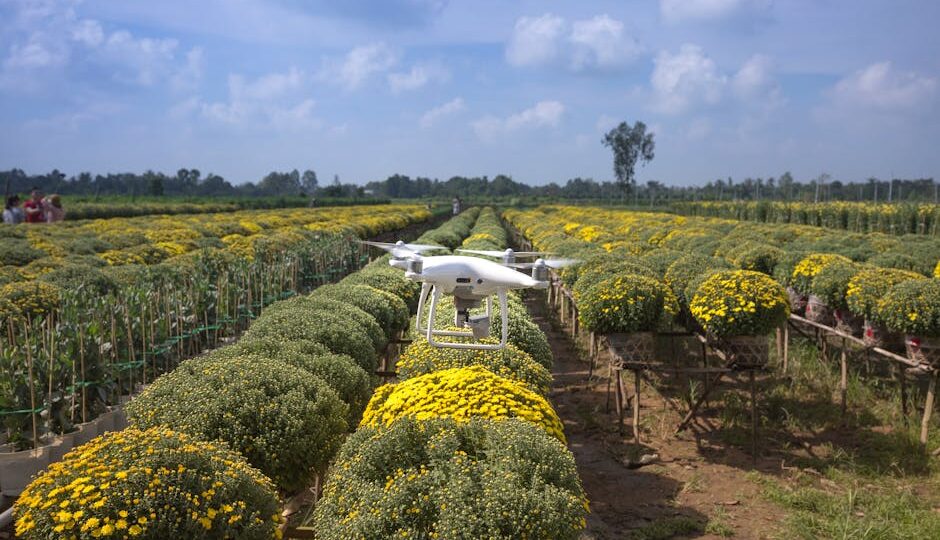
Drones equipped with AI capabilities are becoming indispensable tools for modern farmers. These flying assistants can cover vast acres in a single flight, capturing high-resolution images that are processed by AI to detect issues such as pest infestations or nutrient deficiencies. In California, vineyards are using AI-driven drones to monitor vine health, leading to a 20% reduction in losses due to disease.
Automated Machinery: The Rise of Smart Tractors
With the advent of AI-enhanced tractors, the labor-intensive nature of farming is getting a high-tech makeover. John Deere’s autonomous tractors, for instance, are equipped with machine learning capabilities that allow them to adapt to different terrains and crop types. These smart machines are not just a novelty; they represent a leap forward in efficiency, capable of operating 24/7 without human intervention.
Pest Control: AI’s Role in Sustainable Solutions
Conventional pest control methods often rely on chemicals that can harm the environment. AI is changing that by enabling targeted pest management strategies. Companies like FarmSense are using AI sensors to identify pest species in real-time and suggest eco-friendly countermeasures. As a result, farmers in India using this technology have reported a 40% decrease in pesticide usage.
Blockchain and AI: A Perfect Pair for Supply Chain Transparency
The integration of AI with blockchain technology is setting new standards for transparency in the agricultural supply chain. This combination allows for real-time tracking of produce from farm to table, ensuring quality and authenticity. A standout example is Australia’s beef industry, which uses AI and blockchain to verify the origin and handling of its exports, reducing fraud and enhancing consumer trust.
Conclusion: The Future of AI in Agriculture
As AI continues to penetrate the agricultural sector, its potential to solve complex challenges becomes increasingly apparent. By marrying AI with traditional farming wisdom, we are fostering a more sustainable and efficient agricultural ecosystem. The future, it seems, is not just about growing crops but about growing smarter.
For farmers and tech enthusiasts alike, staying abreast of these developments is crucial. Engaging with AI technologies today will lay the groundwork for the farms of tomorrow.