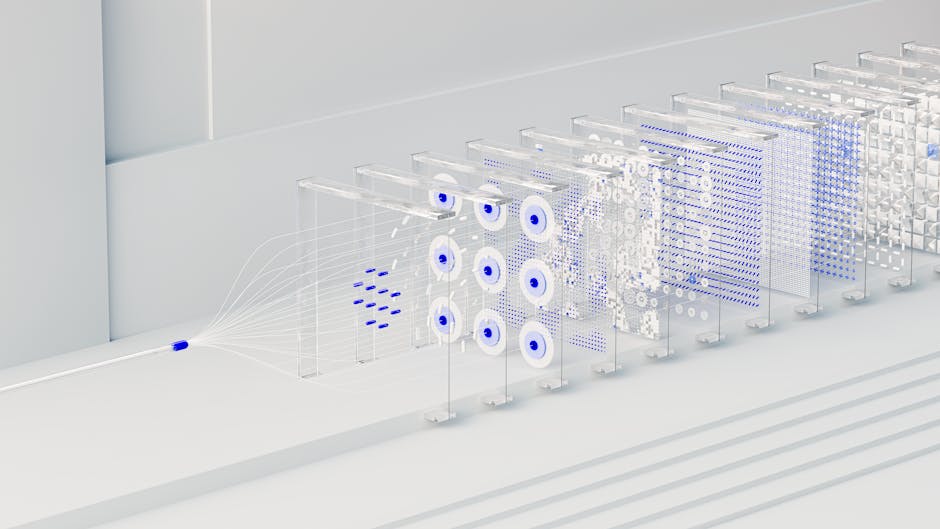
The Rise of Neurotechnology in Everyday Life
The rapid advancements in neurotechnology are making waves, transforming how we interact with our devices. By 2026, the integration of neural interfaces with personal computing has moved from the realm of sci-fi to a tangible part of our digital ecosystem. From enhancing productivity to redefining entertainment, neurotech is set to reshape our daily lives.
How Neural Interfaces Work
Neural interfaces bridge the gap between the human brain and digital environments. Using a combination of electrodes and advanced algorithms, these devices interpret brain signals to carry out specific commands. Imagine typing an email or controlling a smart home device merely by thinking about it. Companies like Neuralink and Emotiv are leading the charge, developing non-invasive headsets that promise to make mind-controlled computing a mainstream reality.
Breakthroughs in Neural Computing Devices
The current crop of neural computing devices offers impressive functionality. Emotiv’s ‘Insight’ headset, for instance, can monitor mental states such as stress or focus, providing real-time feedback to optimize workflow or relaxation processes. Meanwhile, the Neuralink ‘Link’ is pushing boundaries with its potential to enable telepathic communication between users. Such devices are not only enhancing user experience but are also paving the way for groundbreaking applications in health and therapy.
Neurotech’s Impact on Productivity
In the workplace, neurotechnology is revolutionizing productivity. By tracking cognitive states and adjusting task loads accordingly, businesses can ensure employees operate at peak efficiency. Imagine a dynamic work environment where tasks are automatically prioritized based on your mental readiness, or meetings that are scheduled when all participants are at their most alert. Companies like Microsoft and IBM are already investing heavily in neuro-enhanced productivity tools.
Entertainment and Gaming Take a Leap Forward
Entertainment is another sector where neurotech is making significant inroads. The gaming industry, in particular, is set to benefit tremendously. By 2027, gaming experiences will be more immersive than ever before, with players using their thoughts to control in-game actions. Companies like Valve and Sony are developing games that respond to a player’s emotional state, offering personalized storylines and adaptive challenges that keep engagement levels high.
The Ethical Concerns of Neurotechnology
As with any emerging technology, neurotech raises ethical questions. Data privacy is a major concern, as neural devices record highly sensitive information about our thoughts and emotions. It’s crucial for regulatory frameworks to evolve alongside technological advancements to protect users’ privacy and rights. Additionally, discussions around neuroethics are vital to address the implications of mind-controlled devices in various aspects of life, including consent and autonomy.
Takeaway: As we embrace neurotechnology, it’s imperative to remain informed and proactive about its ethical implications. While the future of neural interfaces promises unprecedented convenience and efficiency, a balanced approach that safeguards privacy and ethical standards will ensure these benefits are widely accessible and responsibly integrated into society.