The Autonomous Revolution: More Than Just Transportation
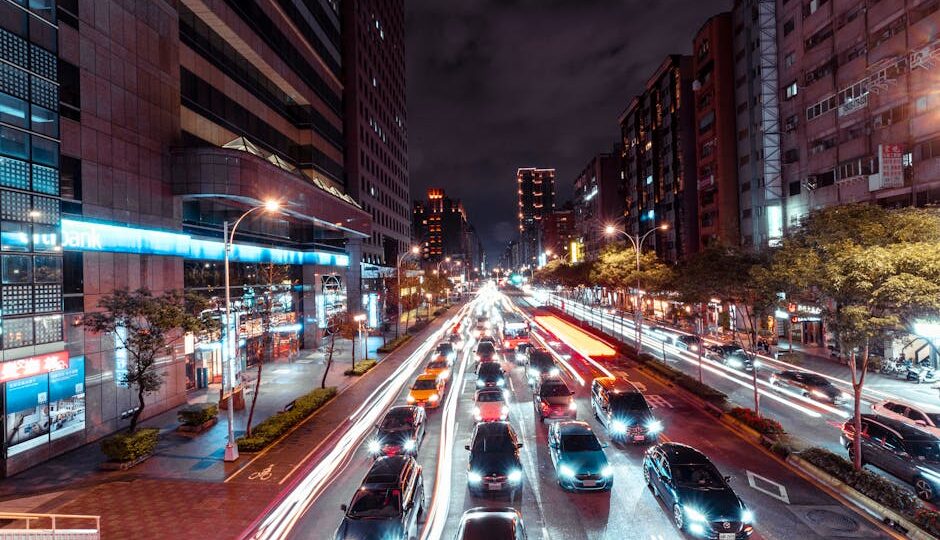
The streets of New York City are buzzing, but not in the way we’re used to. Gone are the days when car horns dominated the soundscape. Instead, a fleet of autonomous vehicles (AVs) glides effortlessly through the bustling metropolis. In 2026, AVs have become more than just a mode of transport—they’re integral to urban living, reshaping our cities in ways we hadn’t anticipated.
From reducing traffic congestion to transforming parking lots into green spaces, the impact of AVs extends far beyond their immediate function. They’ve become a vital piece in the puzzle of sustainable urban development, driving innovation in ways that were mere speculation just a few years ago.
Transforming Urban Infrastructure
The introduction of AVs has required cities to rethink infrastructure. Traditional road designs, built with human drivers in mind, are being reimagined. In San Francisco, for example, the city has embarked on an ambitious project to redesign major roadways to better accommodate AVs. This means fewer traffic lights and more roundabouts, allowing AVs to communicate and coordinate seamlessly without human intervention.
Moreover, with AVs reducing the need for individual car ownership, parking structures are being repurposed. Los Angeles has turned over 10% of its parking spaces into urban parks and community gardens, enhancing public space and improving air quality. The ripple effect on real estate is profound, with properties adjacent to these new green spaces seeing a 15% increase in value.
Environmental Impacts and Sustainability
One of the most significant benefits of AVs is their potential to promote sustainability. Electric AVs, which dominate the market in 2026, have drastically reduced urban pollution. Cities like Beijing, infamous for smog, have seen air quality improve by up to 30% since the widespread adoption of autonomous electric vehicles.
This shift is supported by robust government policies incentivizing the use of electric AVs and penalizing those that emit harmful pollutants. Combined with the enhancement of public transport systems integrated with AVs for last-mile connectivity, cities are making strides toward achieving their carbon neutrality goals.
Rethinking Urban Mobility: A Case Study in Tokyo
Tokyo offers a fascinating case study on AV integration. Renowned for its efficient public transport, Tokyo has embraced AVs to complement its existing system rather than replace it. Residents use a combination of high-speed trains and AVs for seamless door-to-door journeys. This hybrid model has increased public transport usage by 20% as it offers unmatched convenience and reliability.
Additionally, the deployment of AVs has been instrumental in supporting Japan’s aging population. Customized AVs cater to the needs of older adults, offering features like voice-activated controls and healthcare monitoring systems, ensuring that everyone can benefit from this technological evolution.
Challenges and Ethical Considerations
Despite these advancements, the road to full AV integration is not without its hurdles. Ethical questions regarding decision-making in potential accident scenarios remain a topic of intense debate. Who is responsible when an AV makes a life-and-death decision? Policymakers, technologists, and ethicists are working tirelessly to establish frameworks that balance innovation with moral responsibility.
Furthermore, the transition to AVs poses significant employment challenges. Industries reliant on human drivers, such as trucking and delivery services, are being forced to adapt or risk obsolescence. This highlights the urgent need for reskilling programs to help workers transition to new roles within the evolving tech landscape.
The Future of Autonomous Urban Living
The integration of autonomous vehicles is still unfolding, yet their impact is undeniable. As cities continue to adapt, AVs are becoming a cornerstone of urban planning, promising a future where mobility is seamless, sustainable, and inclusive.
The lessons learned from early adopters are paving the way for a world where technology enhances our quality of life, liberating urban spaces for the community while maintaining our planet’s ecological balance. As we move forward, the focus will be on fine-tuning this integration, ensuring that the benefits of AVs are equitably shared across society.
Practical Takeaway: The rise of autonomous vehicles offers cities a unique opportunity to rethink urban spaces. By embracing this technology, cities can improve quality of life and promote sustainability. However, it’s crucial to address the ethical and employment challenges associated with this transition, paving the way for a more inclusive technological future.