The Evolution of Digital Art: NFTs and Beyond in 2026
The digital art landscape is barely recognizable compared to what it was just a few years ago. With the explosive growth of NFTs and the ever-evolving digital tools, 2026 offers a fascinating view into an industry that continues to push boundaries. For artists, collectors, and tech enthusiasts alike, these changes bring both opportunities and challenges.
The Rise of Fractional Ownership
NFTs, or non-fungible tokens, shook up the art world when they first gained popularity in the early 2020s. By 2026, they’ve evolved significantly. While the concept of owning a unique digital asset remains at the core, the introduction of fractional ownership has transformed the market. This innovation allows multiple individuals to own a piece of high-value digital art without having to purchase the entire NFT.
Platforms like NFT Fractional and Co-Ownership Creations have made it easier for smaller investors to dip their toes into the digital art market. For instance, a single Beeple artwork, which once sold for millions, can now be owned by thousands of art enthusiasts, each holding a fraction of the piece. This democratization not only makes art investing more accessible but also stabilizes the market by distributing risk among many stakeholders.
Augmented Reality and Interactive Digital Art
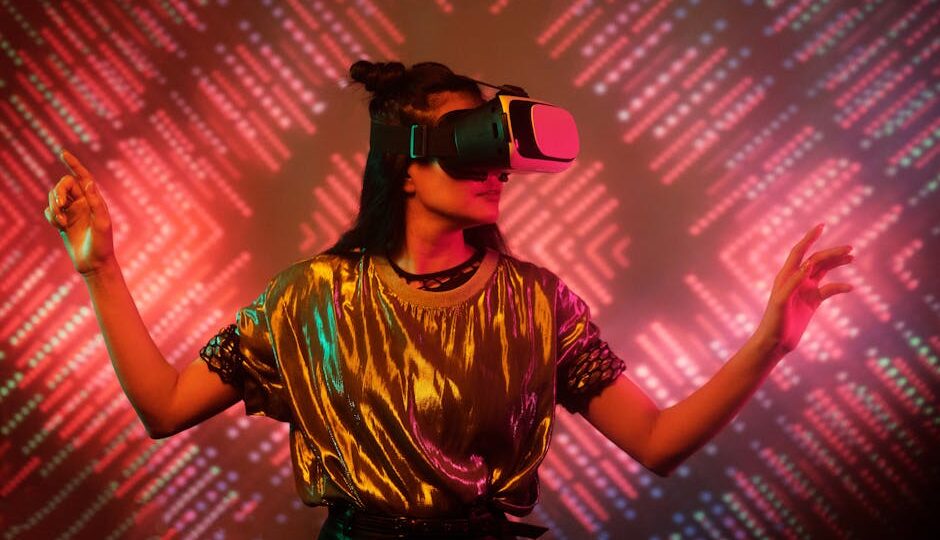
Augmented reality (AR) is no longer just a gimmick; it’s a staple in the digital art realm. Modern galleries in major cities like New York, Tokyo, and Berlin have embraced AR to offer visitors interactive experiences. Imagine walking through a digital gallery where artworks come to life, responding to your movements, and even adapting based on ambient conditions.
Artists like Yuna Kim and Javier Esposito are pioneering this movement by creating art that responds to viewers in real-time. Yuna’s latest piece, “Echoes of Tomorrow,” displayed at the Tate Modern in London, uses AR to explore themes of time and consciousness. Visitors are encouraged to interact with the piece, experiencing a personalized journey through its complex narrative.
The Role of Artificial Intelligence in Art Creation
Artificial intelligence (AI) continues to play a crucial role in art creation. In 2026, AI tools are more accessible and sophisticated than ever, allowing artists to explore new creative possibilities. Platforms such as ArtMind and NeuralCanvas have made AI-generated art a staple among digital creators.
These AI tools offer a unique blend of collaboration and competition between human creativity and machine learning. Artists like Sofia Ramirez have used AI to produce stunning artworks that challenge the traditional notions of authorship and originality. Her piece “Synthetic Dreams” merges human input with AI algorithms, creating an evolving artwork that changes its form based on viewer interactions.
Environmental Concerns and Sustainable Practices
With the proliferation of digital art, environmental concerns have risen to the forefront. The energy consumption of blockchain technologies, particularly those used for NFTs, has sparked debates regarding sustainability. As a result, 2026 has seen a shift toward more eco-friendly practices.
Blockchain platforms like EcoChain and GreenNFTs are leading the charge by offering carbon-neutral solutions. These platforms utilize proof-of-stake mechanisms and renewable energy sources to minimize their ecological footprint. Artists and collectors are increasingly opting for these sustainable options, making environmentally conscious choices a norm in the digital art ecosystem.
The Global Art Market: Bridging Gaps and Building Communities
Digital art has a remarkable ability to transcend geographical boundaries, creating a truly global market. In 2026, this connectivity has fostered diverse communities and collaborations across continents. Emerging digital artists from regions like Africa and Southeast Asia are now gaining recognition alongside established names from traditional art hubs.
Organizations like GlobalCanvas and ArtBridge are dedicated to supporting these artists by providing platforms for exposure and collaboration. For example, the “Digital Unity” exhibition, held virtually in 2026, showcased works from over 50 countries, highlighting the unique cultural perspectives each artist brought to the digital canvas.
The evolution of digital art is a testament to the power of technology to reshape industries and redefine creative expression. As we continue to navigate this dynamic landscape, it’s essential to remain adaptable and open to new possibilities.
Practical Takeaway: Embrace the Change
For those involved in the digital art space, embracing these changes is not just beneficial—it’s crucial. Whether you’re an artist looking to expand your creative toolkit, a collector interested in the latest trends, or simply a fan of digital art, staying informed and adaptable will ensure you’re ready to navigate the future of this vibrant industry.