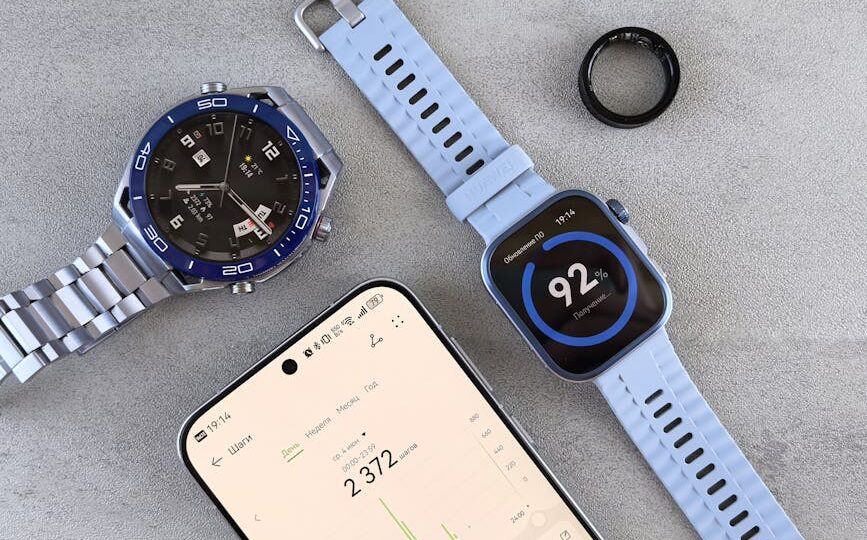
The Rise of Wearable Tech in Healthcare
Over the past decade, wearable technology has transformed from a niche curiosity to a cornerstone of modern healthcare. In 2026, it’s not uncommon to find patients and doctors alike leveraging these devices for better health outcomes. From smartwatches that monitor heart rates to sophisticated biosensors embedded in clothing, the ubiquity of wearables is undeniable. According to a recent report by Statista, the market for healthcare wearables is expected to surpass $50 billion this year, underscoring its rapid growth.
Enhanced Patient Monitoring
Perhaps the most significant impact of wearable technology is in the realm of patient monitoring. Take, for example, the bustling city of Boston, where hospitals are using wearable devices to monitor patients with chronic conditions like diabetes and heart disease. These devices track vital signs in real time, alerting healthcare professionals to any significant changes. This constant stream of data allows for timely interventions, potentially saving lives and reducing hospital readmission rates.
Consider the case of John, a 62-year-old from Boston who wears a smart patch on his chest that continuously monitors his heart rhythm. Last November, the device detected an irregular heartbeat, prompting an immediate alert to his healthcare provider. John was quickly admitted to Massachusetts General Hospital, where he received prompt treatment. Such stories are becoming increasingly common as wearables integrate deeper into healthcare systems.
Wearables and Preventive Care
Preventive care is another area where wearables are making a mark. Devices that track physical activity, sleep patterns, and even stress levels empower individuals to take control of their health. In cities like San Francisco, fitness centers are collaborating with tech companies to offer personalized health plans based on data collected from wearables. This data-driven approach encourages healthier lifestyle choices, effectively reducing the incidence of preventable diseases.
Moreover, wearables are playing a pivotal role in mental health management. Recent innovations have led to the development of stress-detection features in smartwatches. In Austin, Texas, a tech startup has partnered with local therapists to offer mindfulness programs tailored to individuals’ stress levels as measured by their wearables. These programs are proving effective in reducing anxiety and depression among participants.
Challenges and Considerations
While the benefits are clear, the rise of wearable tech in healthcare is not without its challenges. Privacy concerns remain a significant issue. As these devices collect vast amounts of personal health data, ensuring that this sensitive information remains secure is paramount. In 2026, the healthcare sector has made strides in implementing stringent data protection regulations; however, incidents of data breaches, such as the one that occurred in Los Angeles last year affecting over 100,000 patients, highlight the need for continuous vigilance.
The Role of AI in Wearable Tech
Artificial intelligence plays a crucial role in enhancing the functionality of wearable devices. AI algorithms process the vast amounts of data collected, providing insights that were previously unattainable. In healthcare facilities across New York, AI-powered wearables are helping doctors predict potential health crises before they occur. For instance, AI models can analyze patterns in heart rate data to predict the likelihood of a cardiac event, allowing preventive measures to be taken.
Furthermore, AI is improving the accuracy of diagnostic tools. In London, a collaboration between AI researchers and clinicians has led to the development of a wearable device that uses machine learning to detect early signs of skin cancer. These advances not only improve patient outcomes but also reduce the burden on healthcare systems by catching diseases earlier.
Practical Takeaway: Embrace the Change
As we progress further into 2026, the integration of wearable technology in healthcare is set to deepen. For individuals, this means greater autonomy over personal health. For healthcare providers, it translates to more effective patient care. However, embracing this technology requires a balanced approach, ensuring that privacy concerns are addressed while leveraging the vast potential these devices offer. Whether you’re a tech enthusiast or a healthcare professional, staying informed about these advancements will be essential in navigating the future of healthcare.