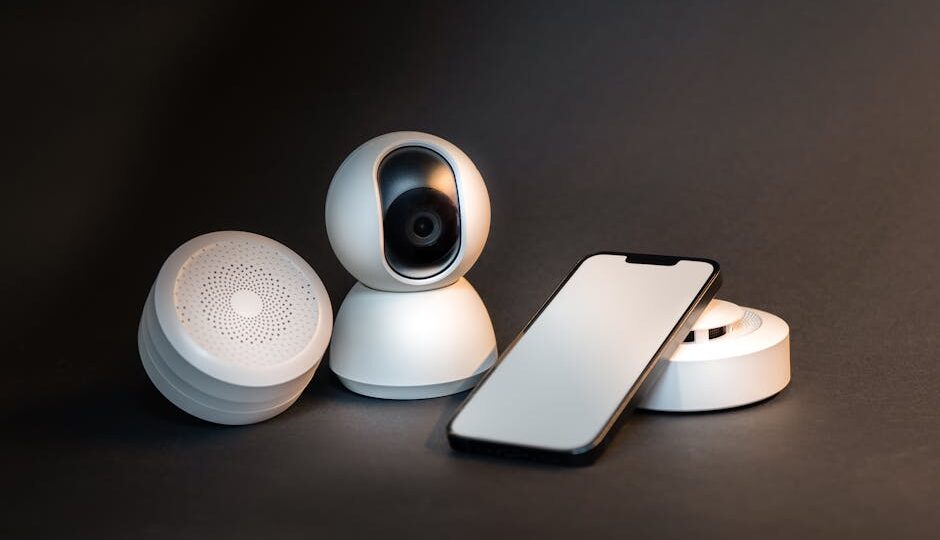
1. Ignoring Compatibility Issues
In the ever-evolving world of smart home technology, compatibility can make or break your setup. You might be tempted to buy the latest smart gadget on the market, but if it doesn’t play well with your existing devices, you’re setting yourself up for frustration. It’s crucial to ensure that new devices work seamlessly with your current ecosystem, whether it’s Amazon Alexa, Google Home, or Apple HomeKit. In 2025, a report by Smart Home Weekly revealed that 37% of users experienced issues due to incompatible devices. Save yourself the headache and double-check compatibility before adding to your cart.
2. Overlooking Security Features
As homes get smarter, so do potential security threats. It’s easy to focus on the convenience of a smart lock or thermostat without considering the security risks. A 2024 study by Cyber Safe Home found that nearly 40% of smart home users had not changed default passwords, leaving them vulnerable to attacks. Always review the security features of a new gadget and make adjustments, such as updating passwords and enabling two-factor authentication. Remember, your home’s digital security is just as important as its physical security.
3. Skipping Firmware Updates
Firmware updates might seem like an annoying interruption, but they’re essential for the smooth operation of your smart home devices. These updates often include security patches, bug fixes, and even new features. A 2023 survey by Tech Trends showed that 25% of smart home owners neglected regular updates, leading to system inefficiencies and security vulnerabilities. Set your devices to automatically update where possible, or make it a monthly task to manually check for updates.
4. Underestimating Wi-Fi Needs
Smart devices are more demanding on your Wi-Fi network than you might think. The more devices you add, the more bandwidth is required. Many users find their networks become sluggish after adding multiple smart gadgets. Consider upgrading to a robust mesh Wi-Fi system to ensure consistent connectivity throughout your home. According to a 2025 report by Digital Home Magazine, homes with more than 15 smart devices experienced a 60% improvement in performance with a mesh network compared to traditional setups.
5. Neglecting Energy Consumption
While smart homes are often touted for their energy-saving potential, not all devices are created equal. Some can increase energy consumption if not used wisely. A 2026 case study from the Energy Efficient House Initiative showed that homes utilizing smart energy monitors saved an average of 10% on their utility bills over those that didn’t. Invest in smart plugs or energy monitors to track your consumption and make informed decisions about your energy use.
6. Focusing Solely on Price
It’s tempting to opt for the cheapest smart home solutions, but low-cost often means sacrificing quality. Cheaper devices may lack essential features, such as robust security or integration capabilities. The saying “you get what you pay for” holds especially true in tech. According to Gadget Review’s 2025 analysis, 50% of complaints in the smart home sector were related to cheap, underperforming devices. Consider your smart home devices as long-term investments, and aim for products with reliable performance and positive user reviews.
7. Ignoring User Experience
Lastly, never underestimate the importance of a user-friendly experience. If a device is too complex to use, it’s unlikely to become a part of your daily routine. Before purchasing, read reviews and watch demonstrations to ensure the interface is intuitive. A 2026 survey by Interface Insights found that 45% of users discontinued using a smart device because it was too complicated. A streamlined user experience will not only make your life easier but also ensure you’re getting the most out of your smart home investments.
Practical Takeaway: Upgrading your smart home requires careful consideration beyond just following the latest trends. By focusing on compatibility, security, connectivity, and user experience, you’ll create a system that enhances your life without the unnecessary hassle. Remember, a smarter home is not just about the gadgets, but how they work together to make your life more efficient and comfortable.